23-01-2026
Communicating effectively with customers
Effective communication with customers is not about delivering perfect presentations but about creating genuine dialogue.
The best presentations aren't monologues delivered flawlessly.
They're conversations that create mutual understanding and produce positive results.
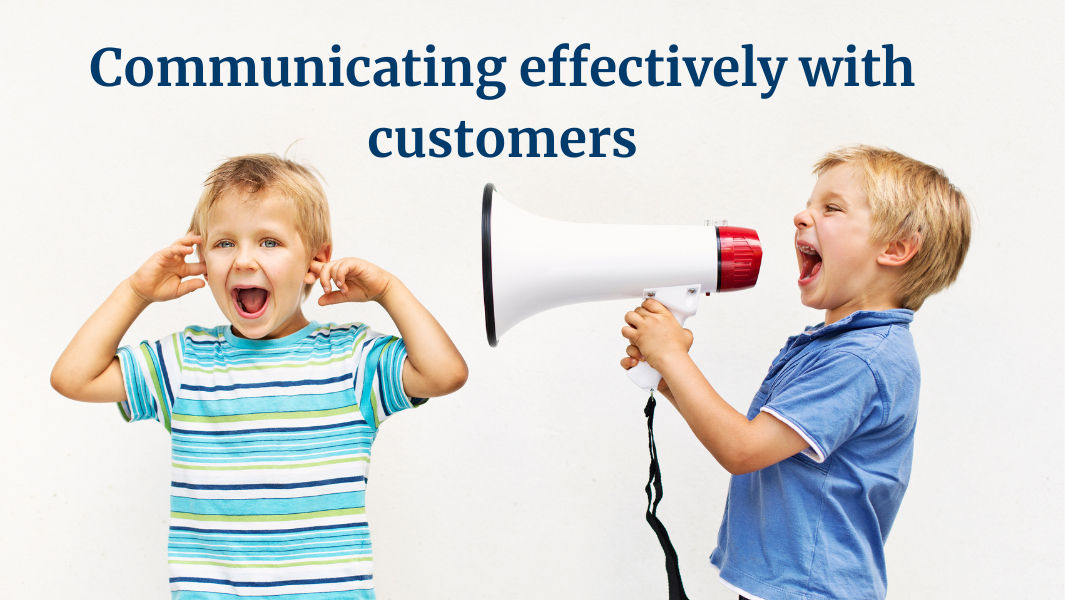
Having run numerous customer meetings and attended many presentations, there is clear evidence that effective communication is not about delivering perfect presentations but about creating genuine dialogue.
Communication is a two-way process
I have been in countless meetings where presenters race through endless slides, finishing with a hurried "any questions?" as time expires.
The irony is that communication requires two active participants.
A carefully crafted message doesn’t constitute effective communication without an understanding of the customer's perspective.
Common pitfalls
Common mistakes follow the same patterns.
Huge presentations consuming all available time, leaving customers as passive observers rather than engaged participants.
Slides crammed with text forcing the audience to choose between reading and listening.
Presenters speaking too fast and using complex wording for non-native English speakers.
Use of subtle language to obscure critical issues.
Recycling slides from old presentations. Each customer meeting has unique objectives. Generic content signals lack of preparation.
And finally, polite nods and smiles from the customer are not necessarily signs of consensus. They may mask confusion or disagreement.
A better approach
Successful customer meetings start before the presentation begins.
Proper introductions are not a mere formality.
Understanding each participant's role reveals their respective decision-making authority and technical expertise.
Confirmation of the agenda at the beginning of the meeting ensures alignment on expectations.
Presentations should not take more than sixty to seventy percent of the available time.
Slides should be clear with minimal text paired with diagrams and images.
This is particularly important in visual cultures such as with Japanese customers to keep the audience engaged.
The simple practice of asking whether the customer is ready to move to the next slide invites questions and avoids the steamroller effect.
Before today's widespread access to presentation software, people used transparencies and overhead projectors.
Effective presenters would often clarify a point or record agreed actions by writing with a pen on a blank slide during the meeting.
It wasn’t as polished as a pre-prepared PowerPoint presentation, but it gave participants time to read, think and provide feedback.
Concluding the meeting by recording the agreed points, outstanding issues, and actions reduces the risk of later disappointments.
Typing this in front of the customer provides an opportunity to correct misunderstandings and ensure genuine alignment.
Adapted language
The communication language should be adapted to the audience.
- Slow, clear English for non-native speakers.
- Use of the customer's own technical terminology.
- Allow the customer to use their own words and phrases when recording actions.
- Get translation when needed.
This isn't about oversimplification.
It is about respect and clarity.
Key points
Customer meetings should have a dual purpose: conveying a message and genuinely seeking feedback.
Questions are not interruptions; they are signs of engagement.
Silence doesn't mean agreement.
The best presentations aren't monologues delivered flawlessly.
They're conversations that create mutual understanding leading to positive results.
I can help you
I work with overstretched leaders of small and medium-sized engineering companies to help them prepare their business so they can achieve profitable growth.
To work out a strategy to address your specific challenges, please use the link below to arrange a FREE 30-minute conversation.